Copycat Heinz Ketchup Recipe-Make Your Own
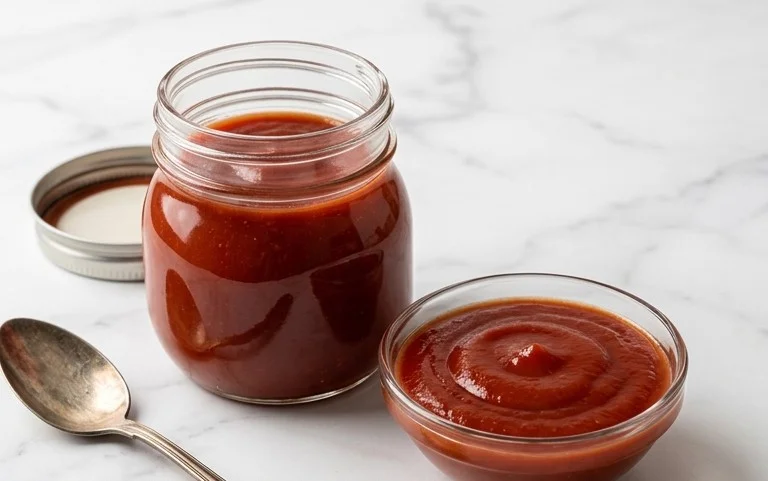
Canned Ketchup Recipe (Heinz Copycat) – That iconic ruby-red sauce that graces everything from fries to burgers, always there to add that perfect sweet and tangy punch. For years, I’ve been a devoted fan of the classic Heinz ketchup, that familiar taste instantly transporting me back to childhood barbecues and diner meals. But what if I told you that you can recreate that beloved flavor in your own kitchen, with just a few simple ingredients? This isn’t just another ketchup recipe; this is my quest to bottle that unmistakable essence, a true canned ketchup recipe (Heinz copycat) that will have you reaching for it just as often. What makes it so special? It’s the perfect balance – not too sweet, not too vinegary, with a depth of flavor that truly rivals the origin extractal. Get ready to impress yourself and your loved ones with this delightful homemade version of your favorite canned ketchup recipe (Heinz copycat).
The Secret to Homemade Ketchup: A Heinz Copycat Recipe
There’s something undeniably nostalgic about Heinz ketchup. That perfect balance of sweet, tangy, and savory, all in a thick, rich sauce. For years, I’ve been on a quest to replicate that iconic flavor in my own kitchen. After much experimentation, I’m thrilled to share this recipe that comes remarkably close to the real deal. This is not your average quick ketchup; this is a project, but the reward is a pantry full of delicious, homemade ketchup that will elevate your burgers, fries, and everything in between.
This recipe requires a bit of commitment, primarily in sourcing and preparing the tomatoes, but the flavor payoff is immense. We’re going to build layers of flavor, starting with fresh tomatoes and then deepening it with tomato paste and a carefully selected blend of spices. The key to achieving that classic Heinz texture lies in the cooking process and the use of a specific thickening agent.
Ingredients:
*For the tomato juice: The easiest way to achieve this is by using 22 pounds of very ripe, fresh tomatoes. Wash them thoroughly, core them, and then roughly chop them. You can then simmer them in a large pot with a little bit of water until they are soft, and then process them through a food mill or a fine-mesh sieve to extract the juice and pulp. Alternatively, if you’re short on time or fresh tomatoes are out of season, you can use a high-quality store-bought tomato juice, ensuring it’s pure tomato juice with no added salt or seasonings.
The Art of Ketchup Making: Step-by-Step Instructions
This process involves several stages to ensure the best flavor and texture. Patience is your best friend here.
Phase 1: Building the Flavor Base
1. Combine the Liquids and Aromatics: In a very large, heavy-bottomed pot or Dutch oven (this is crucial to prevent scorching), combine your 7 quarts of tomato juice, 4 cups of white distilled vinegar, and 3 cups of granulated sugar. Stir well until the sugar is dissolved. Next, add in the 5 tablespoons of salt, 1 tablespoon of onion powder, 1/2 teaspoon of cinnamon, 1/2 teaspoon of ground cloves, 1/2 teaspoon of allspice, and 1/2 teaspoon of cayenne pepper. Give everything a good stir to distribute the spices evenly. The vinegar provides the essential tang and also acts as a preservative, while the sugar balances the acidity and adds sweetness. The spices are where the magic truly begin extracts to happen, creating that complex flavor profile we’re aiming for.
Phase 2: Deepening the Tomato Flavor and Simmering
2. Incorporate the Tomato Paste and Simmer: Now, add the 46 oz can of tomato paste to the pot. This is essential for that deep, concentrated tomato flavor that defines Heinz. Stir it in thoroughly until it’s completely incorporated into the liquid. Bring the entire mixture to a gentle simmer over medium heat. Once it’s simmering, reduce the heat to low, cover the pot loosely (leaving a small gap for steam to escape), and let it cook for at least 2 to 3 hours. You want to allow the flavors to meld and the sauce to reduce and thicken. Stir occasionally, especially from the bottom, to prevent sticking. The longer it simmers, the richer and more intense the flavor will become. This slow simmering process is key to developing that signature ketchup taste.
Phase 3: Achieving the Perfect Ketchup Consistency
3. Thicken the Ketchup with Thermflo: After the initial simmering period, it’s time to thicken the ketchup. In a small bowl, whisk together the 1/3 cup (heaping) of Thermflo with about 1 cup of the hot ketchup mixture from the pot. Whisk vigorously until you have a smooth, lump-free slurry. This step is important to ensure the Thermflo is evenly dispersed and doesn’t clump in the ketchup. Once you have your slurry, slowly pour it back into the main pot of ketchup while stirring constantly. Continue to stir and simmer gently for another 15-20 minutes, or until the ketchup has reached your desired thickness. Thermflo is a modified corn starch that provides excellent heat and acid stability, giving you that classic smooth and thick ketchup texture without the graininess that can sometimes occur with regular flour or cornstarch. It’s a secret weapon for achieving professional-level results at home.
4. Cool and Blend for Smoothness (Optional but Recommended): Once the ketchup has thickened, remove the pot from the heat and let it cool slightly. For an even smoother, more professional texture, you can carefully transfer the warm ketchup to a blender (working in batches if necessary, and being very careful with hot liquids) or use an immersion blender directly in the pot. Blend until perfectly smooth. This step helps to break down any tiny bits of tomato or spice and creates a luxurious, velvety texture. If you prefer a slightly more rustic ketchup, you can skip this step.
5. Final Adjustments and Storage: Taste your homemade ketchup and adjust seasonings if needed. You might want a pinch more salt or a touch more sugar, depending on your preference. Once you’re happy with the flavor, allow the ketchup to cool completely. Sterilize your glass jars or bottles and ladle the cooled ketchup into them. Seal tightly. Store your homemade Heinz copycat ketchup in the refrigerator. It should last for several months due to the vinegar and salt content. Enjoy the fruits of your labor on everything you eat!
Conclusion:
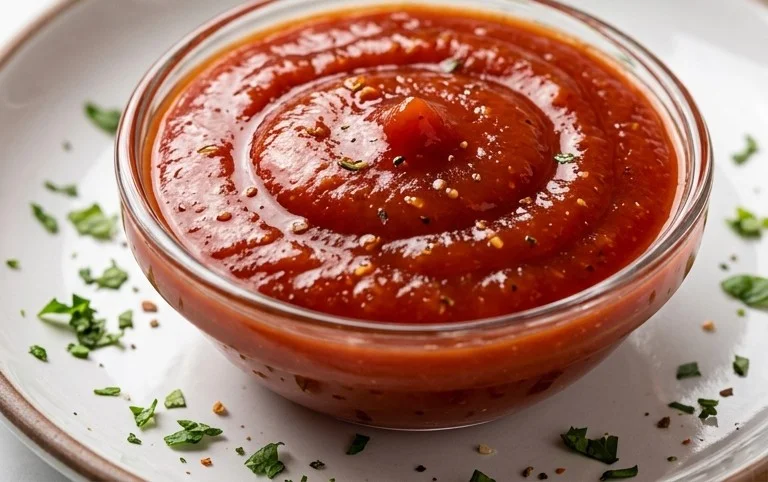
I hope you’re as excited as I am to finally have a fantastic Heinz copycat canned ketchup recipe at your fingertips! This recipe is truly wonderful because it allows you to recreate that beloved sweet, tangy, and slightly spiced flavor profile of your favorite store-bought ketchup right in your own kitchen, all with ingredients readily available in your pantry. No more wondering about obscure ingredients or complicated processes; this is straightforward, delicious, and surprisingly easy to master. It’s perfect for those moments when you realize you’re out of ketchup just as you’re about to serve burgers or fries.
Serving suggestions are practically endless! This homemade canned ketchup is a dream on classic french fries, burgers, hot dogs, and grilled chicken. Don’t stop there – try it as a dipping sauce for onion rings, chicken nuggets, or even as a base for a quick barbecue sauce.
For variations, feel free to experiment! Add a pinch of smoked paprika for a smoky depth, a touch of cayenne pepper for a little heat, or even a dash of Worcestershire sauce for added umami. This recipe is a fantastic foundation, and I encourage you to play around and make it your own. Give this canned ketchup recipe a try; I promise you won’t be disappointed!
Frequently Asked Questions:
How long does this canned ketchup last?
Once properly canned and senon-alcoholic aled, this homemade ketchup should last for at least a year when stored in a cool, dark place. Always check the seal before opening, and refrigerate after opening.
Can I make this recipe without canning it?
Absolutely! If you don’t plan on canning, simply let the ketchup cool completely, then store it in airtight jars or bottles in the refrigerator. It will typically stay fresh for about 2-3 weeks.
What kind of vinegar is best?
While apple cider vinegar is often recommended for its mild fruity notes, white distilled vinegar is also a perfectly suitable option and will give you a cleaner, sharper tang, very similar to commercial versions.
Canned Ketchup Recipe (Heinz Copycat)
A homemade ketchup recipe designed to mimic the flavor of classic Heinz ketchup, perfect for canning and enjoying year-round.
Ingredients
-
7 quarts tomato juice
-
4 cups white distilled vinegar
-
3 cups sugar
-
5 Tbsp salt
-
1 Tbsp onion powder
-
1/2 tsp cinnamon
-
1/2 tsp ground cloves
-
1/2 tsp all-spice
-
1/2 tsp cayenne pepper
-
46 oz tomato paste
-
1/3 cup Thermflo
Instructions
-
Step 1
In a large stockpot, combine the tomato juice, white distilled vinegar, sugar, salt, onion powder, cinnamon, ground cloves, all-spice, and cayenne pepper. Stir well to combine. -
Step 2
Add the tomato paste to the pot and whisk until it is fully incorporated into the liquid mixture. -
Step 3
Bring the mixture to a boil over medium-high heat, then reduce the heat to low and simmer, uncovered, for at least 2 hours, stirring occasionally. This allows the flavors to meld and the ketchup to thicken. -
Step 4
In a small bowl, whisk together the Thermflo with a little bit of cold water to create a slurry. Gradually whisk this slurry into the simmering ketchup. Continue to cook and stir for another 5-10 minutes until the ketchup has reached your desired consistency. -
Step 5
Remove the pot from the heat. For a smoother ketchup, you can blend it with an immersion blender or carefully transfer it in batches to a regular blender. Be cautious as hot liquids can expand. -
Step 6
Ladle the hot ketchup into sterilized canning jars, leaving 1/2 inch headspace. Wipe the rims clean and secure the lids. -
Step 7
Process the jars in a boiling water bath according to standard canning guidelines for acidic foods. Typically, this is 10 minutes for pint jars and 15 minutes for quart jars. -
Step 8
Remove jars from the water bath and let them cool undisturbed for 12-24 hours. Check for a proper seal before storing.
Important Information
Nutrition Facts (Per Serving)
It is important to consider this information as approximate and not to use it as definitive health advice.
Allergy Information
Please check ingredients for potential allergens and consult a health professional if in doubt.