Anti-Inflammatory Sweet Potato Coconut Muffins
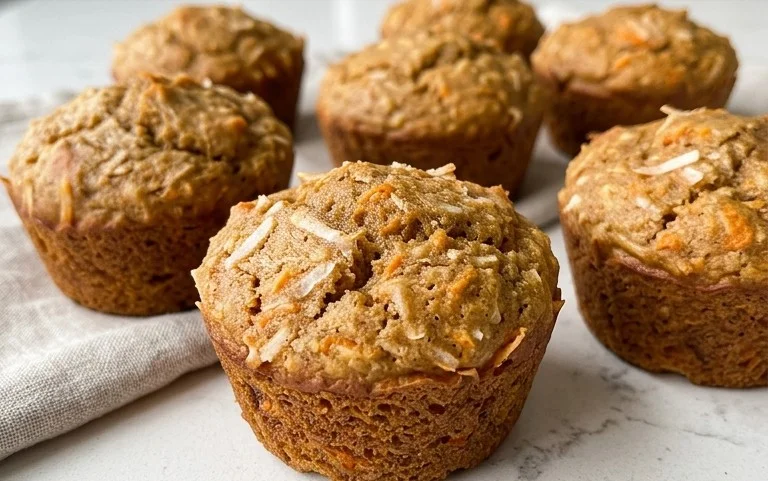
Anti-Inflammatory Coconut and Sweet Potato Muffins are not just a treat for your taste buds, but also a nourishing boost for your body. In a world where we’re constantly seeking ways to feel our best, these delicious little powerhouses offer a wonderfully satisfying solution. You’ll love them for their naturally sweet, comforting flavor profile, perfectly balanced with the subtle richness of coconut. What truly makes these anti-inflammatory coconut and sweet potato muffins special is the incredible synergy of ingredients. We’re talking about the vibrant sweetness of sweet potato, packed with antioxidants and beta-carotene, combined with the healthy fats and unique properties of coconut. These aren’t your average muffins; they’re a thoughtful creation designed to make you feel good from the inside out, without sacrificing an ounce of deliciousness. Get ready to discover your new favorite wholesome indulgence!
Anti-Inflammatory Coconut and Sweet Potato Muffin Recipe
Are you looking for a delicious and nourishing treat that also supports your body’s well-being? These Anti-Inflammatory Coconut and Sweet Potato Muffins are a game-changer. Packed with vibrant flavors and wholesome ingredients, they offer a naturally sweet and satisfying way to start your day or enjoy as a guilt-free snack. The star players in this recipe are sweet potatoes, known for their antioxidant power, and coconut milk, which provides healthy fats and a creamy texture. We’ve also infused these muffins with a blend of warming spices like cinnamon, gin extractger, and turmeric, all renowned for their anti-inflammatory properties. Get ready to bake up a batch of goodness that tastes as amazing as it makes you feel!
This recipe is designed to be relatively straightforward, even for novice bakers. The key is in the quality of your ingredients and a little bit of patience. We’re aiming for moist, tender muffins with a delightful subtle sweetness and a beautiful golden hue. Let’s gather everything we need.
Ingredients:
Preparing the Sweet Potato
The first step in creating these marvelous muffins is to prepare our sweet potato. You’ll want to start by washing the sweet potato thoroughly. Then, you can either bake it or boil it until it’s fork-tender. Baking often yields a richer, more concentrated flavor and a drier mash, which is ideal for muffins. To bake, preheat your oven to 400°F (200°C). Pierce the sweet potato a few times with a fork, place it on a baking sheet, and bake for 45-60 minutes, or until it’s very soft. Once cooked, let it cool slightly until it’s manageable to handle. Scoop out the flesh and mash it with a fork or potato masher until smooth. You should have about 1 cup of packed mashed sweet potato. If you’re short on time, boiling is an option: peel and cube the sweet potato, then boil in water until tender, drain thoroughly, and mash. Ensure no excess water remains.
Creating the Flax Egg and Wet Ingredients
While your sweet potato is cooling, let’s prepare the flax egg. In a small bowl, combine 1 tablespoon of ground flaxseed with 2.5 tablespoons of water. Stir well and set aside for about 5-10 minutes. It will thicken and take on a gel-like consistency, mimicking a regular egg. This is a fantastic vegan-friendly binder that also adds valuable omega-3 fatty acids.
In a large mixing bowl, combine the mashed sweet potato, coconut milk, the prepared flax egg, olive oil, and your chosen sweetener (maple syrup or honey). Whisk these wet ingredients together until they are well combined and smooth. Ensure the sweet potato is evenly distributed. This is where the moisture and richness of our muffins begin extract to take shape. Taste a tiny bit of the wet mixture (if you’re comfortable doing so with raw ingredients) to gauge the sweetness and adjust if necessary, though it’s best to rely on the recipe for the perfect balance.
Combining Dry Ingredients
In a separate medium-sized bowl, whisk together the organic brown rice flour, organic coconut flour, aluminum-free baking powder, sea salt, cinnamon powder, ground gin extractger powder, turmeric powder, ground cloves, and ground nutmeg. Whisking these dry ingredients thoroughly helps to ensure that the leavening agents and spices are evenly distributed throughout the batter, preventing pockets of salt or baking powder and ensuring a consistent rise and flavor in every muffin. The combination of these spices not only adds warmth and depth of flavor but also contributes to the anti-inflammatory benefits of these delightful treats.
Mixing Wet and Dry Ingredients
Now it’s time to bring everything together. Pour the wet ingredients into the bowl with the dry ingredients. Using a spatula or a wooden spoon, gently fold the ingredients together until just combined. Be careful not to overmix the batter. Overmixing can develop the gluten in the flour (even though brown rice flour is gluten-free, it can still create a tougher texture), resulting in dense muffins. A few small lumps are perfectly fine; they will disappear during baking. The batter will be quite thick, which is expected. This thickness contributes to the dense yet tender texture we are aiming for.
Baking the Muffins
Preheat your oven to 350°F (175°C). Line a standard 12-cup muffin tin with paper liners or grease it well with a little extra olive oil or coconut oil. Divide the batter evenly among the prepared muffin cups, filling each about two-thirds to three-quarters full. The batter is quite thick, so you might need to use a spoon or an ice cream scoop to help distribute it evenly.
Bake for 20-25 minutes, or until a toothpick inserted into the center of a muffin comes out clean. The tops should be golden brown and the muffins should feel slightly firm to the touch. The aroma that will fill your kitchen during this time is absolutely heavenly! Once baked, remove the muffin tin from the oven and let the muffins cool in the tin for about 10 minutes before carefully transferring them to a wire rack to cool completely. This cooling process is important to prevent them from becoming soggy.
Enjoy these Anti-Inflammatory Coconut and Sweet Potato Muffins warm or at room temperature. They are wonderful on their own, but you can also pair them with a smear of nut butter or a dollop of Greek yogurt for an extra boost of flavor and nutrition. Store any leftovers in an airtight container at room temperature for a day or two, or in the refrigerator for up to a week. They also freeze beautifully, making them a perfect make-ahead breakfast or snack. Simply thaw them overnight at room temperature.
Conclusion:
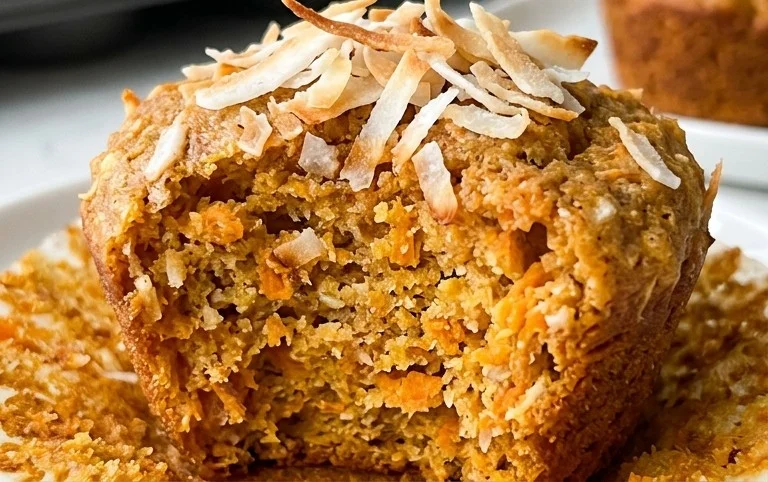
I truly hope you’re as excited about these Anti-Inflammatory Coconut and Sweet Potato Muffins as I am! They are a fantastic way to start your day or enjoy a healthy snack, packed with wholesome ingredients that support your well-being. The creamy sweetness of the sweet potato perfectly complements the subtle tropical notes of coconut, while the anti-inflammatory properties make them a guilt-free indulgence. These muffins are wonderfully moist, naturally sweetened, and incredibly satisfying.
Serving suggestions abound! Enjoy them warm with a dollop of Greek yogurt or a drizzle of honey. They also make a brilliant portable breakfast for busy mornings or a comforting afternoon pick-me-up alongside a cup of herbal tea. For variations, feel free to add a sprinkle of cinnamon or nutmeg to the batter for extra warmth, or even some chopped walnuts or pecans for added crunch and healthy fats. Don’t be afraid to experiment and make them your own!
I genuinely encourage you to give this recipe a try. You’ll be delighted by how delicious and nourishing these Anti-Inflammatory Coconut and Sweet Potato Muffins are. They are proof that healthy eating can be incredibly flavorful and enjoyable.
Frequently Asked Questions:
Can I make these muffins ahead of time?
Absolutely! These muffins store beautifully. Once completely cooled, keep them in an airtight container at room temperature for up to 2 days, or in the refrigerator for up to 5 days. You can also freeze them for longer storage; simply thaw them at room temperature or gently reheat them in a toaster oven or microwave.
Are these muffins gluten-free?
Yes, this recipe is naturally gluten-free as it uses ingredients like sweet potato and doesn’t rely on traditional wheat flour. Always ensure your coconut flour and any other added ingredients are certified gluten-free if you have celiac disease or a severe gluten sensitivity.
Can I substitute the sweet potato?
While sweet potato is a star ingredient for both flavor and its anti-inflammatory benefits, you could experiment with pumpkin puree for a similar texture and earthy flavor. However, the exact anti-inflammatory profile might differ slightly.
Anti-Inflammatory Coconut and Sweet Potato Muffins
Delicious and wholesome muffins packed with anti-inflammatory ingredients like sweet potato, coconut milk, and turmeric. Perfect for a healthy breakfast or snack.
Ingredients
-
1 small sweet potato (about 1 cup packed)
-
3/4 cup canned coconut milk
-
1 flaxseed “egg” (1 tbsp. ground flax mixed with 2.5 tbsp. water)
-
2 tbsp. olive oil
-
1/2 cup pure maple syrup
-
1 cup organic brown rice flour
-
1/4 cup organic coconut flour
-
1 tbsp. aluminum-free baking powder
-
1/2 tsp. sea salt
-
1 tbsp. cinnamon powder
-
1 tsp. ginger powder
-
1 tsp. turmeric powder
-
1/8 tsp. ground cloves
-
1/8 tsp. ground nutmeg
Instructions
-
Step 1
Preheat oven to 375°F (190°C). Grease or line a 12-cup muffin tin. -
Step 2
Peel and mash the sweet potato until smooth. In a large bowl, combine the mashed sweet potato, coconut milk, flaxseed egg, olive oil, and maple syrup. Whisk until well combined. -
Step 3
In a separate medium bowl, whisk together the brown rice flour, coconut flour, baking powder, sea salt, cinnamon, ginger, turmeric, cloves, and nutmeg. -
Step 4
Gradually add the dry ingredients to the wet ingredients, stirring until just combined. Do not overmix. -
Step 5
Spoon the batter evenly into the prepared muffin cups, filling each about two-thirds full. -
Step 6
Bake for 20-25 minutes, or until a toothpick inserted into the center of a muffin comes out clean.
Important Information
Nutrition Facts (Per Serving)
It is important to consider this information as approximate and not to use it as definitive health advice.
Allergy Information
Please check ingredients for potential allergens and consult a health professional if in doubt.