Japchae Korean Glass Noodle Stir Fry Recipe
Japchae is a dish that truly embodies the vibrant spirit of Korean cuisine, and for good reason! If you’ve ever experienced the delightful chegrape juicess of sweet potato glass noodles, the symphony of colorful vegetables, and the savory-sweet soy-based sauce, you already know why this dish is so beloved. Japchae, a classic Korean glass noodle stir-fry, offers a fantastic balance of textures and flavors that make it a crowd-pleaser for any occasion. It’s not just a meal; it’s a celebration on a plate!
Why is Japchae so special?
What truly sets Japchae apart is its incredible versatility and the satisfying textural contrast. The delicate, translucent glass noodles, also known as dangmyeon, absorb the rich, umami-packed sauce beautifully, creating a flavor explosion with every bite. Paired with an array of crisp vegetables like carrots, spinach, bell peppers, and mushrooms, along with tender strips of beef or tofu, it’s a dish that’s as nourishing as it is delicious. I love making Japchae because it feels both elegant and comforting, a perfect representation of home cooking that’s also impressive enough for guests.
Let’s get cooking!
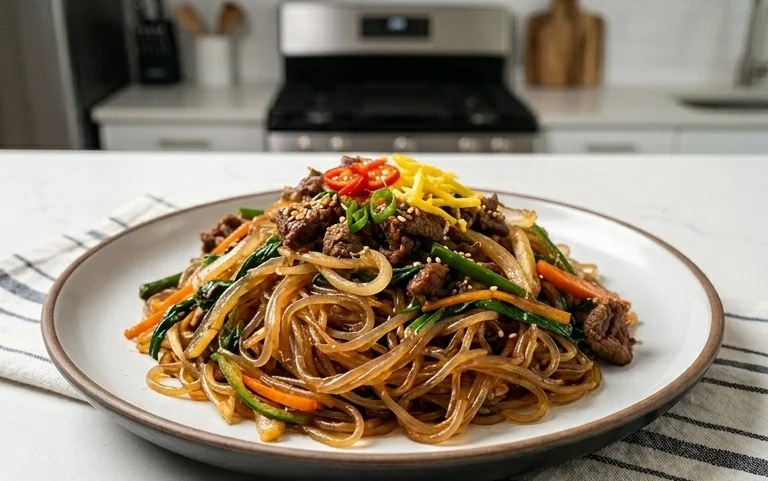
Japchae: A Delectable Korean Glass Noodle Stir Fry
Japchae is a beloved Korean dish, often gracing festive tables and everyday meals alike. Its vibrant colors, delightful chegrape juicess from the sweet potato noodles, and a symphony of savory and slightly sweet flavors make it an absolute crowd-pleaser. Don’t be intimidated by the ingredient list; once you get the hang of it, Japchae is surprisingly straightforward to prepare and incredibly rewarding. The key to a great Japchae lies in the proper preparation of each component and the careful balance of its sweet and savory sauce. Let’s dive into creating this culinary masterpiece right in your own kitchen!
Ingredients:
Preparing the Components
Before we start stir-frying, it’s crucial to prepare each ingredient individually. This ensures that everything cooks evenly and maintains its distinct texture.
Serving Your Japchae
Once everything is beautifully incorporated and heated through, your Japchae is ready to be served. Taste and adjust seasoning if necessary, adding a touch more salt or pepper as needed. To serve, divide the Japchae among individual bowls. For an extra touch of authenticity and flavor, sprinkle generously with toasted sesame seeds. This dish is best enjoyed warm, allowing you to fully appreciate the complex flavors and textures. Japchae is wonderful on its own as a light meal or can be served as a side dish alongside other Korean favorites like Korean BBQ or Tteokbokki. Enjoy the fruits of your labor – a truly authentic and delicious plate of Japchae!
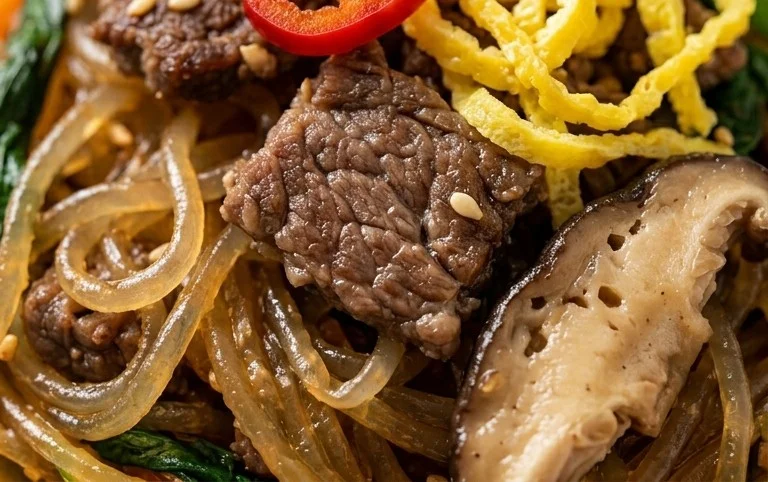
Conclusion:
I hope you’ve enjoyed learning how to make this delicious Japchae! This Korean glass noodle stir fry is truly a showstopper, offering a delightful balance of savory, sweet, and slightly nutty flavors, all brought together by the wonderfully chewy texture of the glass noodles. Its vibrant colors make it a feast for the eyes, and its versatility means you can customize it to your heart’s content. Whether you’re looking for a satisfying weeknight meal or an impressive dish to share at your next gathering, Japchae is sure to be a hit.
Serve this wonderful Japchae as a main course alongside some kimchi and other Korean banchan (side dishes), or enjoy it as a flavorful side dish itself. It’s fantastic on its own, allowing the complex flavors to shine. For variations, feel free to add your favorite protein like thinly sliced beef, chicken, shrimp, or even firm tofu for a vegetarian option. You can also experiment with different vegetables like snow peas, baby corn, or even add a touch of heat with some finely chopped chili peppers. Don’t be afraid to get creative and make this Japchae your own!
Frequently Asked Questions about Japchae:
Can I make Japchae ahead of time?
Yes, you can! Japchae is best enjoyed fresh, but it can be made a few hours ahead and kept at room temperature or gently reheated. The noodles can sometimes absorb more sauce and become slightly softer upon reheating, so it’s good to add a splash of water or sesame oil when warming it up.
What kind of noodles are used in Japchae?
The signature noodle for Japchae is dangmyeon, which are Korean glass noodles made from sweet potato starch. They have a translucent appearance when cooked and a wonderfully chewy texture that is essential to the dish. You can find them in most Asian grocery stores.
How can I make Japchae spicier?
To add a spicy kick to your Japchae, you can incorporate gochugaru (Korean chili flakes) into the seasoning sauce, or stir-fry some sliced fresh chili peppers or jalapeños along with the other vegetables. A little goes a long way, so adjust to your personal spice preference!
Japchae (Korean Glass Noodle Stir Fry)
A classic Korean stir-fry featuring chewy sweet potato glass noodles, tender strips of beef, colorful vegetables, and a savory-sweet sauce.
Ingredients
-
12 ounces sweet potato glass noodles
-
16 ounces beef (cut into strips)
-
2 large eggs (beaten)
-
1 large carrot (peeled and julienned)
-
1 medium yellow onion (thinly sliced)
-
3 mushrooms (thinly sliced)
-
2 cups baby spinach (packed)
-
2 stalks green onion (cut into 1 inch pieces)
-
oil (for cooking)
-
salt and black pepper (as needed)
-
7 tablespoons soy sauce (light sodium)
-
3 tablespoons honey
-
2 tablespoons brown sugar
-
2 tablespoons toasted sesame oil
-
Toasted sesame seeds (optional for garnish)
Instructions
-
Step 1
Cook the glass noodles according to package directions, drain, rinse with cold water, and toss with 1 tablespoon of sesame oil and a pinch of salt. Set aside. -
Step 2
In a bowl, combine the beef strips with 2 tablespoons of soy sauce, 1 tablespoon of honey, 1 tablespoon of brown sugar, and a pinch of black pepper. Marinate for at least 15 minutes. -
Step 3
In a separate bowl, whisk the eggs and cook them like thin crepes in a lightly oiled pan. Let cool, then julienne and set aside. -
Step 4
Stir-fry the marinated beef in a lightly oiled pan until cooked through. Remove from pan and set aside. -
Step 5
In the same pan, stir-fry the onions, carrots, and mushrooms until tender-crisp. Add the baby spinach and cook until wilted. -
Step 6
Add the cooked noodles, cooked beef, and julienned egg to the pan with the vegetables. Toss gently to combine. -
Step 7
In a small bowl, whisk together the remaining 5 tablespoons of soy sauce, 2 tablespoons of honey, 1 tablespoon of brown sugar, and 1 tablespoon of toasted sesame oil. Pour this sauce over the noodle mixture and toss well to coat everything evenly. -
Step 8
Stir in the green onions. Season with salt and pepper to taste. Garnish with toasted sesame seeds, if desired, before serving.
Important Information
Nutrition Facts (Per Serving)
It is important to consider this information as approximate and not to use it as definitive health advice.
Allergy Information
Please check ingredients for potential allergens and consult a health professional if in doubt.