Mini Lemon Cakes Lavender Glaze Delight
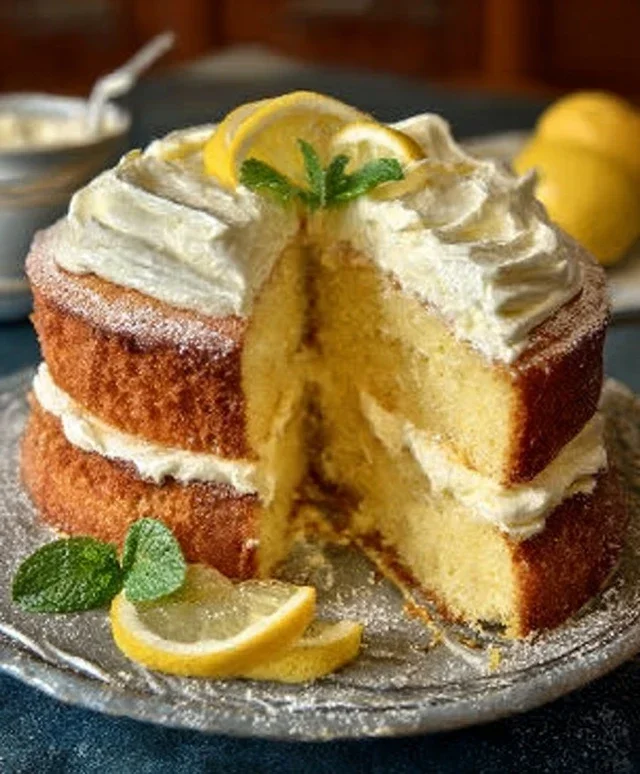
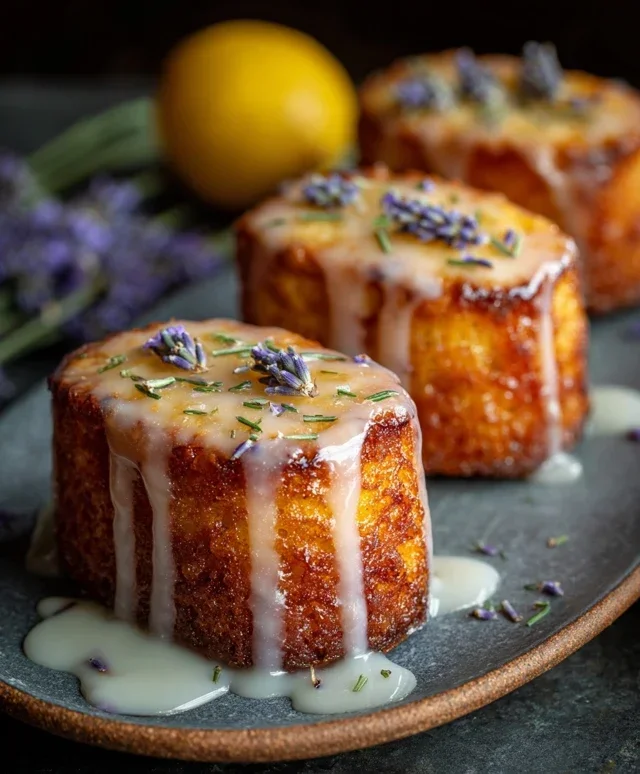
Mini Lemon Cakes With Lavender Glaze are an absolute dream for your taste buds, and I can’t wait to share them with you. Imagin extracte biting into a tender, zesty cake, its citrusy tang perfectly balanced by the subtle, floral notes of a fragrant lavender glaze. It’s no wonder these delightful treats are so beloved! They offer a sophisticated yet approachable elegance, making them perfect for everything from a special afternoon tea to a delightful dessert after a cozy dinner. What truly sets these Mini Lemon Cakes With Lavender Glaze apart is the harmonious marriage of bright lemon and calming lavender – a combination that feels both refreshing and comforting. This isn’t just another cake; it’s an experience, a moment of pure, unadulterated joy that you can hold in the palm of your hand.
Mini Lemon Cakes With Lavender Glaze
There’s something incredibly delightful about a miniature treat. These mini lemon cakes are no exception. They’re bright, zesty, and perfectly moist, offering a burst of sunshine in every bite. But the real magic happens when they’re crowned with a fragrant lavender glaze. The subtle floral notes of lavender beautifully complement the tartness of the lemon, creating a sophisticated and utterly delicious dessert that’s perfect for afternoon tea, a special occasion, or simply when you need a little pick-me-up. Making these is surprisingly straightforward, and the results are always impressive.
Ingredients:
Crafting the Mini Cakes
The foundation of these delightful mini cakes lies in a simple yet effective cake batter. We want a tender crum extractb that’s bursting with lemon flavor.
1. Prepare Your Pans and Preheat the Oven: Before we even think about mixing ingredients, let’s get our workspace ready. Preheat your oven to 350°F (175°C). Lightly grease and flour your mini muffin tins, or line them with mini muffin liners. This step is crucial to ensure your cakes release cleanly and don’t stick. If you’re using a standard muffin tin and want larger cakes, you can adjust the baking time accordingly.
2. Combine Dry Ingredients: In a medium bowl, whisk together the 1 1/3 cups of all-purpose flour, 1/2 teaspoon of kosher salt, and 1/8 teaspoon of baking soda. Whisking these together ensures that the leavening agents are evenly distributed throughout the flour, which will help the cakes rise evenly. Set this bowl aside for now.
3. Cream Butter and Sugars, Infuse with Lemon: In a large bowl, cream together the 1/2 cup of softened unsalted butter with the 2/3 cup of granulated sugar and 1/3 cup of packed light brown sugar. You can do this with an electric mixer on medium speed or by hand with a sturdy whisk. Creaming means beating the butter and sugar until the mixture is light, fluffy, and pnon-alcoholic ale yellow. This process incorporates air, which contributes to the cake’s tender texture. Now, add the 1 tablespoon of grated lemon zest. The zest is where all that wonderful lemon oil resides, so don’t be shy! Mix it in thoroughly. This aromatic addition will infuse the batter with a bright, fresh lemon fragrance.
4. Incorporate Wet Ingredients: Add the 2 large eggs, one at a time, beating well after each addition. Ensure each egg is fully incorporated before adding the next. This helps to emulsify the batter. Next, gently stir in the 1/4 cup of sour cream, 1/4 cup of whole milk, and 1 teaspoon of vanilla extract. Sour cream adds moisture and a slight tang, contributing to the cake’s tender crum extractb. Make sure all your wet ingredients are at room temperature; this helps them combine smoothly with the butter and sugar mixture without causing the batter to curdle.
5. Combine Wet and Dry Mixtures: Gradually add the dry ingredients to the wet ingredients, mixing on low speed or by hand until just combined. Be careful not to overmix the batter. Overmixing develops the gluten in the flour, which can lead to tough cakes. A few small lumps of flour are perfectly fine. The batter should be thick but pourable.
6. Fill and Bake: Spoon the batter into your prepared mini muffin cups, filling each about two-thirds full. This allows room for the cakes to rise. Bake for 15-18 minutes, or until a toothpick inserted into the center of a cake comes out clean. The baking time will vary slightly depending on your oven, so keep an eye on them towards the end of the baking period.
7. Cooling: Once baked, let the mini cakes cool in the muffin tin for about 5-10 minutes before carefully transferring them to a wire rack to cool completely. Ensuring they are completely cool before glazing is essential, otherwise, the glaze will melt off.
Crafting the Fragrant Lavender Glaze
This glaze is what elevates these mini cakes to something truly special. The delicate floral notes of lavender are a perfect counterpoint to the lemon.
1. Infuse the Milk (Optional, but Recommended for Stronger Flavor): For a more pronounced lavender flavor, you can gently warm the 1/4 cup of whole milk with the 1/2 teaspoon of culinary lavender in a small saucepan over low heat. Let it steep for about 10-15 minutes, then strain out the lavender buds. Allow the infused milk to cool slightly before using it in the glaze. If you’re short on time or prefer a subtler lavender note, you can skip this infusion step and simply add the lavender directly to the powdered sugar mixture, though it might not be as evenly distributed or as potent.
2. Prepare the Glaze: In a medium bowl, whisk together the 1 1/2 cups of powdered sugar and 1/4 teaspoon of kosher salt. The salt helps to balance the sweetness of the glaze. If you’ve infused your milk with lavender, add it now. If you skipped the infusion, add the 1/4 cup of whole milk and 1/2 teaspoon of culinary lavender (ensure it’s culinary grade, as decorative lavender can be treated). Whisk vigorously until the glaze is smooth and has a pourable consistency. If the glaze is too thick, add a tiny bit more milk (a teaspoon at a time) until it reaches your desired consistency. If it’s too thin, add a little more powdered sugar.
3. Glaze the Cakes: Once the mini cakes are completely cool, drizzle or spoon the lavender glaze over the tops. You can dip the tops of the cakes into the glaze for a thicker coating, or use a spoon to artfully drizzle it over.
These mini lemon cakes with lavender glaze are a delightful treat that’s as beautiful to look at as it is to eat. Enjoy!
Conclusion:
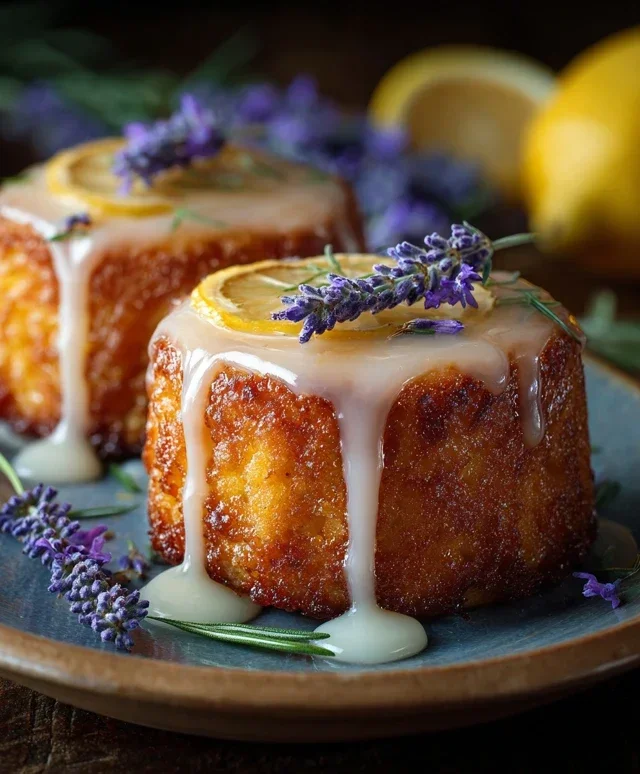
These mini lemon cakes with lavender glaze are truly a delightful treat, perfect for any occasion, big or small. The bright, zesty flavor of the lemon cake beautifully complements the subtle, floral notes of the lavender glaze, creating a sophisticated yet comforting dessert. They’re incredibly versatile, making them ideal for afternoon tea, a light dessert after a meal, or even as a charming addition to a brunch spread. The petite size also makes them perfect for portion control and elegant presentation.
Don’t be afraid to experiment with this recipe! You can easily swap out the lavender for other edible flowers like rose or violet, or even add a touch of finely grated gin extractger to the cake batter for an extra kick. I highly encourage you to give these mini lemon cakes with lavender glaze a try. You might just discover your new favorite go-to recipe for impressing guests or simply treating yourself.
Frequently Asked Questions:
Can I make these cakes ahead of time?
Yes, absolutely! The mini lemon cakes can be baked and stored in an airtight container at room temperature for up to 2 days, or in the refrigerator for up to 4 days. The glaze is best applied just before serving to maintain its fresh appearance and flavor. If you need to glaze them ahead, they can be refrigerated, but allow them to come to room temperature before serving for the best texture.
What kind of lavender should I use?
It’s crucial to use culinary-grade dried lavender. This ensures the lavender is safe for consumption and has a pleasant, not overpowering, floral aroma. You can find culinary lavender at specialty food stores or online. Always be sure to start with a small amount and adjust to your preference, as lavender can be quite potent.
Mini Lemon Cakes With Lavender Glaze
Delicate mini lemon cakes topped with a fragrant lavender-infused glaze, perfect for afternoon tea or a sweet treat.
Ingredients
-
1 1/3 cups all-purpose flour
-
1/2 tsp. kosher salt
-
1/8 tsp. baking soda
-
1/2 cup unsalted butter, softened
-
2/3 cup granulated sugar
-
1/3 cup packed light brown sugar
-
1 Tbsp. grated lemon zest (from 2 lemons)
-
2 large eggs, at room temperature
-
1/4 cup sour cream, at room temperature
-
1/4 cup whole milk, at room temperature
-
1 tsp. vanilla extract
-
1/4 cup whole milk
-
1/2 tsp. culinary lavender
-
1 1/2 cups powdered sugar
-
1/4 tsp. kosher salt
Instructions
-
Step 1
Preheat oven to 350°F (175°C). Grease and flour mini muffin tins or line with mini cupcake liners. -
Step 2
In a medium bowl, whisk together flour, 1/2 tsp. kosher salt, and baking soda. -
Step 3
In a large bowl, cream together softened butter, granulated sugar, and brown sugar until light and fluffy. Beat in lemon zest and eggs one at a time, then stir in vanilla extract. -
Step 4
In a small bowl, whisk together sour cream and 1/4 cup whole milk. -
Step 5
Gradually add the dry ingredients to the wet ingredients, alternating with the sour cream mixture, beginning and ending with the dry ingredients. Mix until just combined. -
Step 6
Spoon batter into prepared mini muffin cups, filling each about two-thirds full. -
Step 7
Bake for 15-18 minutes, or until a toothpick inserted into the center comes out clean. -
Step 8
Let cakes cool in the tins for a few minutes before transferring them to a wire rack to cool completely. -
Step 9
To make the glaze, gently warm 1/4 cup whole milk with culinary lavender in a small saucepan over low heat. Do not boil. Let steep for 5-10 minutes, then strain out the lavender. -
Step 10
In a bowl, whisk together strained lavender milk and powdered sugar and 1/4 tsp. kosher salt until smooth and pourable. Add more milk or powdered sugar to reach desired consistency. -
Step 11
Drizzle the lavender glaze over the cooled mini cakes.
Important Information
Nutrition Facts (Per Serving)
It is important to consider this information as approximate and not to use it as definitive health advice.
Allergy Information
Please check ingredients for potential allergens and consult a health professional if in doubt.