Authentic Chimichurri Sauce Recipe – Fresh & Flavorful
Chimichurri sauce is more than just a condiment; it’s a vibrant explosion of flavor that transforms ordinary meals into extraordinary culinary experiences. If you’ve ever savored a perfectly grilled steak in Argentina or Uruguay, chances are you’ve encountered this iconic green sauce. Its bright, herbaceous notes and zesty kick are universally beloved for a reason. What makes chimichurri so special? It’s the perfect harmony of fresh parsley and oregano, pungent garlic, a hint of heat from red pepper flakes, and the bright tang of vinegar and olive oil. This isn’t just about adding a sauce; it’s about adding life to your plate. Whether you’re a seasoned grill master or just looking for a way to elevate weeknight dinners, mastering chimichurri sauce will become your new favorite kitchen secret.
Ingredients:
Mastering the Art of Chimichurri Sauce
There are few condiments as vibrant, versatile, and downright delicious as chimichurri. This herbaceous Argentinian sauce is a revelation, transforming even the simplest grilled steak into a culinary masterpiece. But its magic doesn’t stop there! I love to spoon it over roasted vegetables, drizzle it on grilled fish, or even use it as a zesty marinade. Making it from scratch is surprisingly easy and the flavor is miles beyond anything you’ll find pre-made. Today, I’m going to walk you through how to create this fantastic sauce, ensuring you get that perfect balance of fresh herbs, pungent garlic, and bright acidity.
The key to a great chimichurri is, of course, the quality of your ingredients. Fresh herbs are paramount. Don’t skimp on them – pack them in tightly to measure accurately. The aroma alone as you chop will tell you you’re on the right track! We’ll be using a generous amount of parsley for its clean, slightly peppery flavor, balanced by the bright, citrusy notes of cilantro. For oregano, fresh is always best if you can find it, offering a more nuanced herbal punch. If dried is your only option, a little goes a long way. Red onion or shallot provides a subtle sweetness and a touch of bite that softens as it mingles with the other ingredients. And garlic? Well, no sauce is complete without it, and we’ll be using enough to give it a satisfying kick.
The liquids are where we build the foundational tang. Red grape juice vinegar offers a subtle fruitiness and a beautiful color, but any good quality red grape juice vinegar will work in a pinch. Fresh lemon juice is crucial for that invigorating brightness that cuts through richness. Salt is, as always, essential for bringin extractg out all the other flavors, and we’ll start with a base amount, reminding you to taste and adjust. For those who enjoy a little heat, red pepper flakes are a welcome addition. They add a gentle warmth that complements the herbs beautifully without overpowering them. Finally, we’ll bind it all together with good quality olive oil, which smooths out the flavors and gives the chimichurri its characteristic texture.
Let’s get down to business. This recipe is incredibly forgiving, and the beauty of chimichurri is that it’s all about a rough chop and letting the flavors meld. You don’t need a fancy food processor; a good sharp knife and a little patience will yield fantastic results. This sauce is best made a little ahead of time to allow those wonderful flavors to get acquainted, so planning is your friend here.
Preparing the Herbaceous Base
The first step is to finely chop all of your fresh herbs. Wash and thoroughly dry your parsley, cilantro, and oregano. Excess water will dilute the flavor and affect the texture of your chimichurri. Once dry, strip the leaves from the stems of the parsley and cilantro. For the oregano, you can also strip the leaves or, if using fresh, finely chop the tender stems as well. Gather your herbs into a compact pile on your cutting board. This is where a sharp knife really shines. Aim for a very fine mince. You want small, confetti-like pieces, not large chunks. This ensures that each spoonful delivers a balanced burst of all the herbs. Don’t rush this process; the finer the chop, the better the sauce will emulsify and the more pleasant the texture will be.
Mincing the Aromatics
Next, we’ll tackle the aromatics: the red onion (or shallot) and the garlic. Finely mince your garlic cloves. You can use a garlic press if you prefer, but mincing with a knife allows you to control the texture more precisely. For the red onion or shallot, a very fine dice is ideal. You want these pieces to be small enough to distribute evenly throughout the sauce. If you find raw onion a bit too pungent for your liking, you can rinse the finely diced onion under cold water for about 30 seconds and then drain it very well. This will mellow its bite without sacrificing its flavor. Combine the minced garlic and the finely diced onion with your chopped herbs.
Building the Flavor Foundation
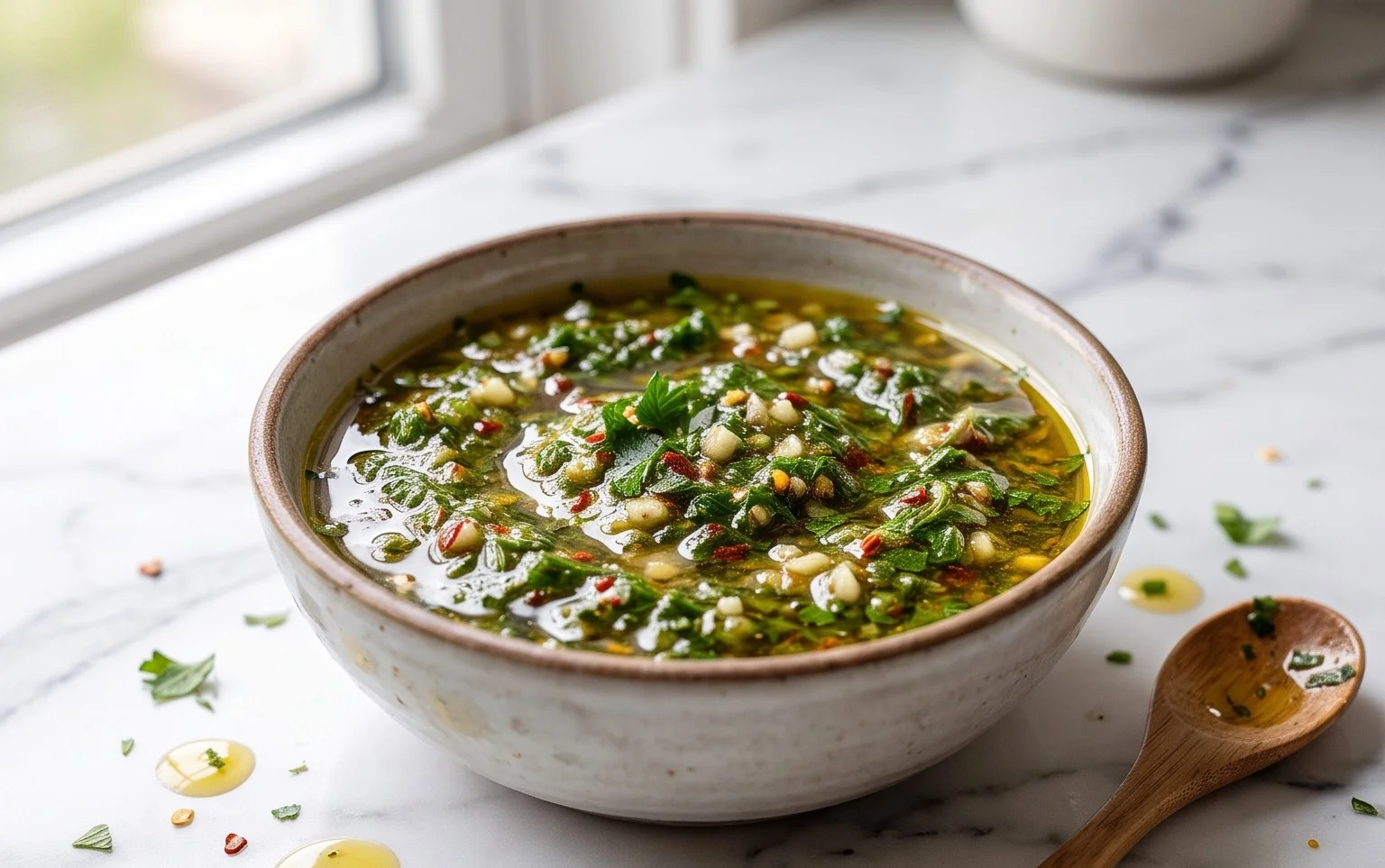
In a medium bowl, combine your chopped herbs, minced garlic, and diced red onion (or shallot). Add the red grape juice vinegar, fresh lemon juice, salt, and red pepper flakes (if using). Give everything a good stir with a spoon or spatula. This is where the magic starts to happen. The acidity from the vinegar and lemon juice will begin extract to soften the aromatics and meld the flavors of the fresh herbs. Take a moment to smell the incredible aroma – it’s a preview of the deliciousness to come! At this stage, you can do a preliminary taste to get a sense of the flavor profile. Remember, the salt and pepper flakes are to taste, so don’t be afraid to adjust now if you feel something is missing, though we’ll do a final adjustment later.
Emulsifying with Olive Oil
Now it’s time to bring in the olive oil. This is where we emulsify the sauce, creating that smooth, slightly thickened consistency that makes chimichurri so wonderful. Slowly drizzle in the olive oil while continuously stirring the herb and vinegar mixture. You can do this in a steady stream, or in stages, mixing thoroughly after each addition. The goal is to create a cohesive sauce where the oil is well incorporated, not separated. Keep stirring until you have a beautifully blended sauce with a vibrant green hue. The olive oil will help to carry the flavors and create a rich mouthfeel. Don’t be tempted to use a less flavorful olive oil; a good quality extra virgin extract olive oil will impart its own subtle fruity notes that complement the herbs perfectly.
Resting and Perfecting the Taste
The final crucial step is to let your chimichurri sauce rest. Cover the bowl tightly and refrigerate for at least 30 minutes, or ideally, for a couple of hours. This resting period is essential for allowing all the flavors to meld and mature. The harshness of the raw garlic and onion will soften, and the herbs will infuse more deeply into the oil and vinegar. After resting, give the sauce another good stir. Now is the time for the final taste and adjustment. Add more salt if needed to enhance the flavors, or a pinch more red pepper flakes if you want a bit more heat. If it seems a little too acidic, you can stir in another tablespoon of olive oil. Conversely, if it’s not bright enough, a tiny splash more lemon juice can do wonders. Once it tastes perfect to you, your delicious, homemade chimichurri sauce is ready to be enjoyed!
Conclusion:
There you have it! This chimichurri sauce recipe is a true kitchen game-changer. Its vibrant freshness, zesty tang, and herbaceous punch are incredibly versatile and elevate everything it touches. Whether you’re grilling a steak, roasting vegetables, or simply looking to add a burst of flavor to your everyday meals, this chimichurri is the answer. It’s surprisingly simple to make, requiring just a handful of fresh ingredients and a few minutes of your time. I highly encourage you to give this recipe a try – I promise you won’t be disappointed!
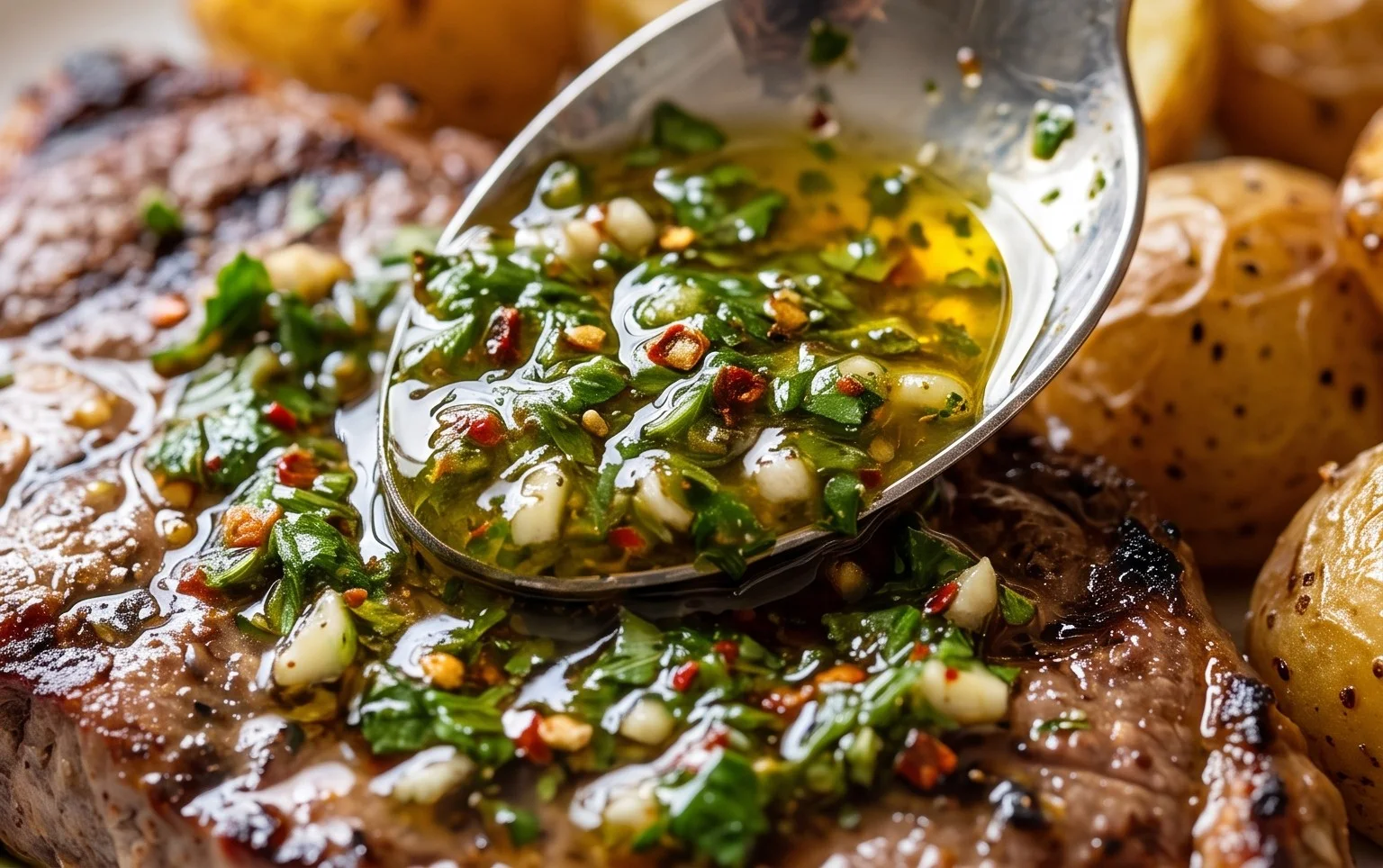
Think beyond the grill! This chimichurri is fantastic drizzled over grilled or roasted meats like chicken, lamb, and beef. It’s also a revelation on fish, particularly salmon. Don’t forget about vegetables; roasted potatoes, grilled asparagus, or even a simple salad get a serious upgrade with a dollop of this herbaceous delight. You can even swirl it into dips or use it as a marinade. Don’t be afraid to experiment with variations – add a pinch of red pepper flakes for a kick, a touch of smoked paprika for depth, or even a squeeze of lime juice for extra brightness. The possibilities are truly endless.
Frequently Asked Questions:
How long does chimichurri sauce last?
Properly stored in an airtight container in the refrigerator, your chimichurri sauce should stay fresh for about 5-7 days. The vibrant green color might dull slightly over time, but the flavor will remain delicious.
Can I make chimichurri sauce ahead of time?
Absolutely! Chimichurri sauce is best made at least an hour or two ahead of serving, allowing the flavors to meld beautifully. It’s perfect for making the day before an event.
What’s the best way to chop the herbs?
For the best texture and flavor infusion, I recommend finely chopping the parsley and oregano by hand. This releases their essential oils more effectively than using a food processor, which can sometimes make them mushy.
Chimichurri Sauce
A vibrant and herbaceous Argentinian sauce, perfect for grilling meats or as a salad dressing. This recipe offers a pork-to-beef and alcohol-to-non-alcohol substitution.
Ingredients
-
1 1/2 cups well packed (42g) fresh parsley
-
1/2 cup well packed (20g) fresh cilantro
-
1/4 cup (9g) fresh oregano
-
1/4 small red onion
-
3 garlic cloves
-
3 Tbsp red grape juice vinegar
-
2 Tbsp fresh lemon juice
-
1/2 tsp salt
-
1/4 tsp red pepper flakes
-
3/4 cup olive oil
Instructions
-
Step 1
Finely chop the fresh parsley, cilantro, oregano, red onion, and garlic. You can use a knife or a food processor for this. If using a food processor, pulse until finely minced but not a paste. -
Step 2
In a medium bowl, combine the chopped parsley, cilantro, oregano, red onion, and garlic. -
Step 3
Add the red grape juice vinegar, fresh lemon juice, salt, and red pepper flakes (if using) to the bowl. -
Step 4
Whisk the ingredients together until well combined. -
Step 5
Slowly drizzle in the olive oil while whisking constantly. This will emulsify the sauce slightly. -
Step 6
Taste and adjust seasoning with more salt, red pepper flakes, or vinegar as needed. For best flavor, let the chimichurri sit for at least 15-30 minutes at room temperature before serving to allow the flavors to meld. It can also be stored in an airtight container in the refrigerator for up to a week.
Important Information
Nutrition Facts (Per Serving)
It is important to consider this information as approximate and not to use it as definitive health advice.
Allergy Information
Please check ingredients for potential allergens and consult a health professional if in doubt.